Why Homeowners Trust Winnipeg top Roofer for Roofing Projects
Why Homeowners Trust Winnipeg top Roofer for Roofing Projects
Blog Article
First-Rate Roofing Services From a Established Roofer
High-quality roof solutions play a crucial role in preserving a home's structural soundness. A trusted roofer brings expertise and attention to detail, guaranteeing a sturdy roof that resists the elements. Homeowners often ignore the significance of choosing the right contractor. Knowing what to look for can make a significant impact. What elements truly characterize a dependable roofer, and how can they affect the longevity of your roof? The answers may astonish you.
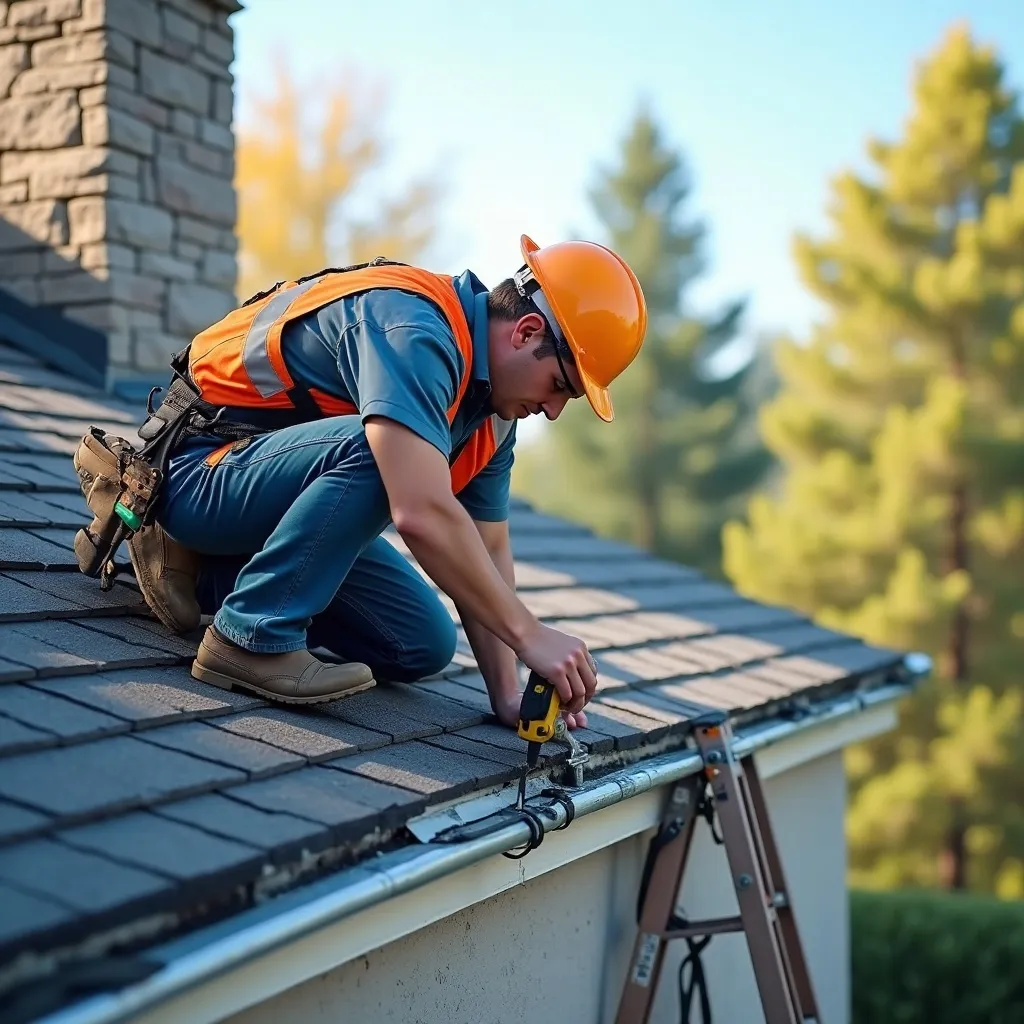
Vital Factors to Think About When Finding High-Quality Roofing Services
When looking for quality roofing solutions, homeowners should focus on several important considerations to guarantee a sturdy and long-lasting installation. First, they should evaluate the contractor's experience and expertise in the roofing industry. A reputable company with a solid track record is more likely to deliver high-quality workmanship. Next, it is important to examine customer testimonials and ratings to measure overall satisfaction. Homeowners should also inquire about the materials employed, as high-quality materials contribute considerably to the longevity of a roof. Insurance and licensing are vital; reputable contractors carry liability insurance and are properly licensed to operate in the area. Finally, obtaining multiple quotes allows homeowners to contrast pricing and services, ensuring they get fair value. By concentrating on these factors, homeowners can determine wisely when choosing roofing solutions of quality that meet their needs.
Why a Reputable Roofer Is Vital
A reputable roofing contractor fulfills discover more a essential part in ensuring the durability and effectiveness of a roofing system. With reliable craftsmanship warranties, homeowners can have peace of mind knowing their investment is safeguarded. Additionally, a dedication to quality materials further enhances the longevity and performance of the roof.
Dependable Workmanship Guarantee
Opting for a reputable roofer is essential, as their reliability directly determines the quality of craftsmanship and the lifespan of a roof. A dependable workmanship warranty guarantees homeowners that the job will be completed to the best quality. This dedication demonstrates the roofer's confidence in their abilities and the methods they use. When a roofer offers such a warranty, it indicates a dedication to craftsmanship and responsibility, minimizing the chance of future complications. Homeowners can feel at ease knowing that if problems occur, they can rely on the roofer to handle them promptly. Ultimately, opting for a roofer who backs their work creates assurance and assures a roof that will withstand the passage of years.
Excellent Materials Assurance
Ensuring quality materials is essential in roofing projects because the roof's durability and performance mainly rely on the materials employed. Trusted roofers focus on high-grade materials, ensuring clients receive products that endure severe weather conditions and last over time. These experts maintain strong relationships with reliable suppliers, enabling them to acquire premium materials that comply with industry standards. Moreover, a trusted roofer comprehends the precise needs of various roofing systems, offering personalized solutions that bolster structural integrity. Choosing a roofer who prioritizes quality materials assurance allows homeowners to reduce future repair expenses and secure long-lasting protection for their properties. In the end, this dedication to quality builds trust and satisfaction with clients, strengthening the roofer's standing in the industry.
What indicators show that a roofer is trustworthy?
In what ways can homeowners determine a roofer's dependability? To gauge a roofer's trustworthiness, property owners should start by verifying for proper credentials and coverage. A reliable roofer will have the required licenses, which differ by state, ensuring compliance with local regulations. Protection is just as important, as it protects homeowners from potential exposures during the roofing process.
Next, finding references and reading online reviews can offer understanding into the roofer's past performance. A trusted contractor will willingly share testimonials from satisfied clients. Homeowners should also ask regarding warranties on both materials and labor, as these guarantees reflect the roofer's confidence in their work.
Finally, obtaining multiple bids can help homeowners evaluate pricing and services rendered. A reputable roofer will furnish a detailed proposal, clearly laying out the scope of work and related costs, enabling informed decision-making.
Top Roofing Solutions: Types of Materials and Their Benefits
Roofing materials serve an key role in the overall effectiveness and longevity of a home. Various types of roofing supplies are available, each offering unique benefits tailored to specific needs. Asphalt shingles are popular for their affordability and ease of installation, providing consistent protection against the elements. Metal roofing is recognized for its durability and energy efficiency, often lasting traditional materials. Clay and concrete tiles grant a distinctive aesthetic and excellent thermal performance, making them suitable for warmer climates.
Wood shakes and shingles, while requiring more maintenance, offer a natural look and superior insulating properties. Additionally, artificial materials, such as composite or rubber options, blend the aesthetic of classic styles with enhanced durability and decreased maintenance demands. Each material offers distinct strengths, enabling homeowners to select based on financial considerations, climate, and desired aesthetics, ultimately lending to the property's structural integrity and monetary worth.
Why Proper Setup Procedures Secure Roof Durability
Ensuring a roof is installed correctly is critical for its longevity and performance. Sound installation methods necessitate scrupulous attention to detail, including accurate measurements, appropriate material selection, and the use of high-quality fasteners. Each section, from underlayment to shingles, must be aligned and secured according to manufacturer specifications and industry standards.
When the installation process correctly, it reduces the likelihood of leaks, storm damage, and other structural problems that could compromise the roof's structural soundness. Additionally, proper ventilation and insulation are essential in avoiding moisture accumulation, which can result in mold and degradation over time. Investing in skilled roofing professionals who prioritize proper techniques not only enhances the roof's longevity but also provides peace of mind for homeowners. Ultimately, a well-installed roof functions as a robust defensive layer, guaranteeing long-term protection against the elements and protecting the underlying structure.
Identifying Typical Roofing Problems and Their Fixes
Typical roof problems can seriously affect the integrity of a home. Among the commonly faced issues are leaks caused by damaged shingles, improper flashing, or failing sealants. Detecting these leaks promptly is important as they might cause major water damage if left untreated. Moreover, the presence of moss and algae is another typical problem that can undermine the roof's materials and appearance. Routine cleaning of the surface is effective in managing this challenge.
Additionally, broken or missing shingles are indicative of damage, often requiring replacement to preserve weather resistance. Poor ventilation can also cause heat buildup, causing early deterioration of roofing materials. Homeowners are encouraged to conduct regular inspections and consult professional roofers for solutions tailored to specific issues. Prompt detection and repair of these common problems can greatly prolong a roof's lifespan and safeguard the home's overall structure.
Strategies for Maintaining Your Roof in Excellent Shape For Years
Protecting a roof involves consistent monitoring to identify potential issues before they become problematic. Timely repairs are essential in preserving durability of roofing materials and mitigating expensive problems. By prioritizing these practices, homeowners can maintain their roofs remain in peak condition for the long term.
Routine Inspections Count
Regular examinations are crucial in extending the lifespan of a roof. By finding potential problems early, homeowners can avoid small concerns from developing into serious damage. A detailed inspection usually covers looking for missing shingles, inspecting flashing durability, and looking over gutters for debris accumulation. These inspections permit timely interventions, making sure the roof remains watertight and structurally stable. Also, seasonal inspections help in adapting maintenance strategies based on variable weather conditions, which may impact roof performance. Setting up a consistent inspection schedule, preferably biannually, allows homeowners to stay proactive with roof maintenance. This diligence not only boosts the roof's durability but also increases the overall value of the property, making it a smart investment.
Prompt Fixes Crucial
Managing roof issues promptly is indispensable for strengthening longevity and performance. Delaying repairs can lead to more extensive damage, multiplying repair costs, and potentially compromising the structural integrity of a home. Small leaks, for example, can quickly develop into significant problems if not treated swiftly. Homeowners should regularly survey their roofs for signs of wear, such as missing shingles, water stains, or granule loss. Engaging a professional roofer for timely assessments and repairs can prevent minor issues from spiraling into major headaches. Additionally, maintaining an open line of communication with a trusted roofing service warrants that any concerns are addressed before they escalate. Proactive maintenance ultimately preserves the roof's lifespan and protects the overall investment in the home.
Common Asked Questions
How much time Does a Typical Roofing Job Take to Complete?
A conventional roof construction usually takes 1-2 weeks to accomplish, controlled by various factors such as the roof size, material type, weather conditions, and any unanticipated setbacks that may develop during the execution.
Which Warranties Are Available on Roof Repairs?
Roofing service warranties typically provide labor protections ranging from one to ten years and product coverage extending to 50 years. The specifics often depend on the roofing materials used and the service provider's guidelines.
Is a Permit needed for Roofing Work?
Yes, a permit is frequently required for roofing work, dependent upon local rules and the scope of the undertaking. Homeowners should contact their city officials to guarantee compliance with required safety standards and permits.
What Can I Do to Prepare for Roofing Installation?
To prepare a home for roof installation, one should remove debris from around the property, remove outdoor furniture, secure pets indoors, and guarantee easy passage to the roofing area for workers and materials.
What Options Do I Have if My Roof Leaks After Installation?
In the event a roof has leaks after installation, the homeowner must promptly reach out to the roofing contractor for review. Take photos of the issue, and confirm all communication is lucid to support timely work and prevent further damage.
Report this page