Buyer's Guide to choosing the right roofing contractor
Buyer's Guide to choosing the right roofing contractor
Blog Article
Quality Roof Services From a Reliable Roofer
Quality roofing services are key in maintaining a home's integrity. A experienced roofer offers experience and attention to detail, ensuring a durable roof capable of withstanding the elements. Often, homeowners overlook the importance of choosing the right contractor. Knowing what to look for can make a substantial difference. What qualities truly define a reliable roofer, and how do they affect the longevity of your roof? The answers might surprise you.
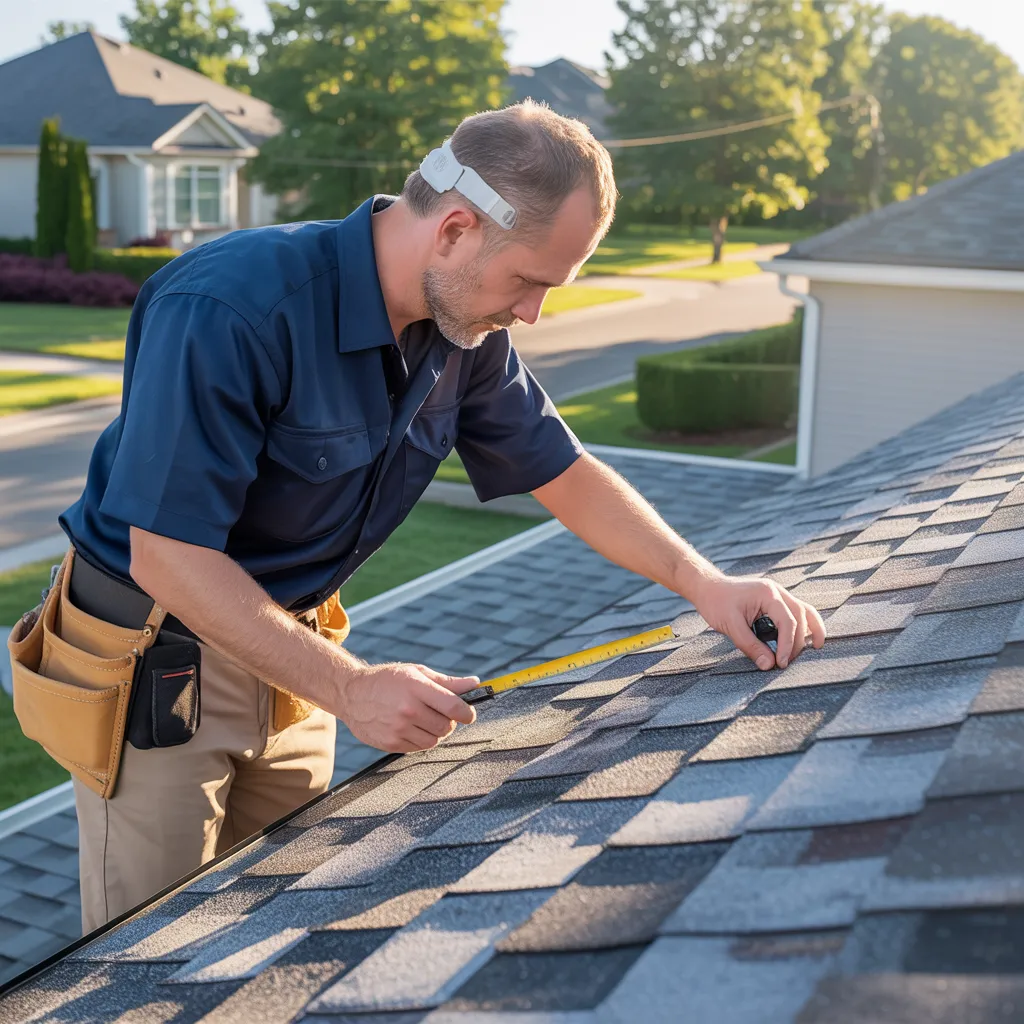
Elements to Identify in Quality Professional Roofing
When looking for top roofing services, homeowners should focus on several essential factors to guarantee a durable and long-lasting installation. First, they should examine the contractor's experience and expertise in the roofing industry. A well-established company with a solid track record is more likely to provide excellent workmanship. Next, it is essential to evaluate customer testimonials and ratings to determine overall satisfaction. Homeowners should also look into the materials used, as high-quality materials significantly contribute to the longevity of a roof. Insurance and licensing are necessary; reputable contractors carry liability insurance and are properly licensed to operate in the area. Finally, obtaining multiple quotes allows homeowners to analyze pricing and services, ensuring they receive reasonable value. By focusing on these elements, homeowners can make educated decisions when selecting quality roofing services that meet their needs.
Why a Proven Roofer Is Indispensable
A reliable roofer serves a vital function in ensuring the durability and efficiency of a roof structure. With solid workmanship guarantees, homeowners can have peace of mind knowing their investment is protected. Additionally, a commitment to quality materials further enhances the strength and functionality of the roof.
Trustworthy Workmanship Guarantee
Picking a dependable roofing professional is vital, as their credibility directly shapes the quality of work and the durability valuable guide of a roof. A comprehensive craftsmanship warranty ensures homeowners that the project will be executed to the best standards. This commitment illustrates the roofer's confidence in their expertise and the methods they utilize. When a roofer extends such a guarantee, it demonstrates a commitment to excellence and responsibility, lowering the likelihood of later complications. Homeowners can feel confident knowing that if issues surface, they can trust the roofer to handle them rapidly. Ultimately, opting for a roofer who supports their work brings assurance and promises a roof that will survive the test of time.
Quality Materials Verification
Quality material quality control is a critical element in roof installations, as the longevity and functionality of a roof largely rely on the materials selected. Reputable roofers emphasize premium quality products, guaranteeing that clients obtain products that resist harsh weather conditions and last for extended periods. These experts have strong connections with trusted vendors, allowing them to source premium materials that satisfy professional guidelines. In addition, a reliable roofer understands the specific requirements of various roof types, offering tailored solutions that improve building stability. By opting for a roofer that emphasizes quality materials assurance, property owners can mitigate future repair costs and ensure lasting preservation for their properties. Ultimately, this commitment to quality builds trust and satisfaction among clients, strengthening the roofing contractor's standing in the field.
How do you identify a reliable roofer?
What steps should homeowners follow to determine a roofer's dependability? To evaluate a roofer's trustworthiness, property owners should begin by checking for proper licensing and insurance. A reliable roofer will have the required licenses, which differ by state, ensuring compliance with local regulations. Insurance is equally important, as it safeguards homeowners from potential liabilities during the roofing process.
After that, seeking references and reading online reviews can yield insight into the roofer's earlier performance. A respected professional will readily present testimonials from pleased customers. Occupants should also inquire about protection agreements on both items and labor, as these guarantees express the roofer's confidence in their expertise.
Finally, gathering numerous bids can benefit homeowners evaluate pricing and service options. A reliable roofer will provide a complete proposal, clearly outlining the scope of work and associated costs, supporting informed decision-making.
Top Roofing Solutions: Kinds of Materials and Their Advantages
Roofing materials serve a critical function in the overall strength and durability of a home. Various types of roofing materials are available, each presenting distinct advantages tailored to specific needs. Asphalt shingles are in demand for their affordability and ease of installation, providing reliable protection against the elements. Metal roofing shines for its durability and energy efficiency, often lasting longer than traditional materials. Clay and concrete tiles showcase an original character and excellent thermal performance, making them suitable for warmer climates.
Wood shakes or shingles, while needing considerable upkeep, provide superior natural aesthetics and reliable insulation. Furthermore, synthetic materials, such as rubber or composite shingles, bring together the appearance of established options with increased durability and simplified maintenance, combine the appearance of traditional options with enhanced durability and lower maintenance requirements. All material types provide unique benefits, permitting homeowners to decide based on spending limits, local weather, and desired appearance, ultimately reinforcing the home's integrity and financial worth.
Why Proper Installation Procedures Provide Roof Longevity
A roof's durability and effectiveness depends on ensuring it is installed correctly. Correct installation procedures demand meticulous attention to detail, including accurate measurements, fitting material choices, and the use of excellent-quality fastening solutions. Each component, from underlayment to shingles, must be aligned and secured according to manufacturer specifications and industry standards.
When construction is executed accurately, it decreases the risk of leaks, wind damage, and other structural issues that could weaken the roof's integrity. Additionally, suitable ventilation and insulation play an important role in preventing moisture buildup, which can lead to mold and deterioration over time. Investing in skilled roofing professionals who concentrate on proper techniques not only enhances the roof's lifespan but also provides peace of mind for homeowners. Ultimately, a well-installed roof serves as a effective protective barrier, ensuring lasting durability against the elements and safeguarding the underlying structure.
Detecting Ordinary Roofing Troubles and Their Improvements
Common roofing problems can greatly impact the integrity of a home. Among the most frequently encountered problems are leaks, which can arise from damaged shingles, faulty flashing, or worn sealants. Identifying these leaks early is essential, as they can cause extensive water damage if not addressed. Another typical problem is the presence of moss and algae, which can damage the roof's appearance and durability. Regularly cleaning the surface can mitigate this problem.
Additionally, cracked or missing shingles are indicative of deterioration, often requiring replacement to preserve defense against the weather. Inadequate ventilation can also result in heat buildup, causing early deterioration of roofing materials. Homeowners are advised to perform routine checks and consult roofing specialists for fixes tailored to specific issues. Prompt recognition and correction of these common problems can significantly lengthen a roof's lifespan and protect the property's structural integrity.
How to Maintain Your Roof for Long-term Performance
Looking after a roof needs frequent assessments to detect potential issues before they deteriorate. Quick fixes are important in extending the durability of roof materials and stopping expensive damage. By focusing on these techniques, residents can ensure their roof structures continue to be in excellent condition for years to come.
Consistent Inspections Are Critical
Regular checks serve as a vital component in extending the lifespan of a roof. By identifying potential issues early, homeowners can stop small issues from becoming severe into major deterioration. A thorough inspection typically includes checking for missing shingles, assessing flashing condition, and inspecting gutters for accumulated debris. These assessments allow for prompt action, ensuring that the roof remains watertight and structurally sound. Furthermore, periodic checks can help adapt maintenance strategies based on shifting climate patterns, which may affect roof functionality. Establishing a consistent inspection routine, ideally twice a year, enables property owners to stay actively engaged in roof maintenance. This diligence not only enhances the roof's durability but also adds to the total worth of the property, making it a wise investment.
Immediate Service Required
Tackling roof issues quickly is vital for preserving longevity and performance. Delaying repairs can lead to more extensive damage, raising repair costs, and potentially compromising the structural integrity of a home. Small leaks, for example, can quickly develop into significant problems if not treated swiftly. Homeowners should regularly examine their roofs for signs of wear, such as missing shingles, water stains, or granule loss. Engaging a professional roofer for timely assessments and repairs can prevent minor issues from evolving into major headaches. Additionally, maintaining an open line of communication with a trusted roofing service guarantees that any concerns are addressed before they escalate. Proactive maintenance ultimately preserves the roof's lifespan and protects the overall investment in the home.
Standard Asked Questions
How Long Does a Standard Roofing Project Take to Wrap Up?
A standard roofing engagement commonly takes one to two weeks to complete, influenced by diverse factors such as the roof size, material type, environmental conditions, and any unforeseen complications that may occur during the process.
Which Guarantees Are Offered for Roof Installation?
Warranties for roofing services usually provide workmanship warranties ranging from one to ten years and material warranties lasting up to 50 years. The details often copyright on the roofing materials used and the company's terms.
Is a Authorization Required for Roofing Work?
Yes, a permit is typically needed for roofing work, according to local codes and the extent of the project. Homeowners should contact their local authorities to confirm adherence to necessary construction standards and permits.
What Steps Should I Take to Prepare My Home for Roof Work?
Preparing a home for roof work entails clearing the area around the house, eliminating outside furniture, securing pets indoors, and assuring easy access to the roof for professionals and materials.
What Can I Do if My Roof Leaks After Installation?
If a roof leaks after being installed, the homeowner should promptly contact the roofing contractor for evaluation. Document the problem with photos, and guarantee all communication is clear to enable quick fixes and prevent further deterioration.
Report this page